Climate and Environmental Sciences Division (CESD)

William R. Wiley Environmental Molecular Sciences Laboratory (EMSL)

Program Mission

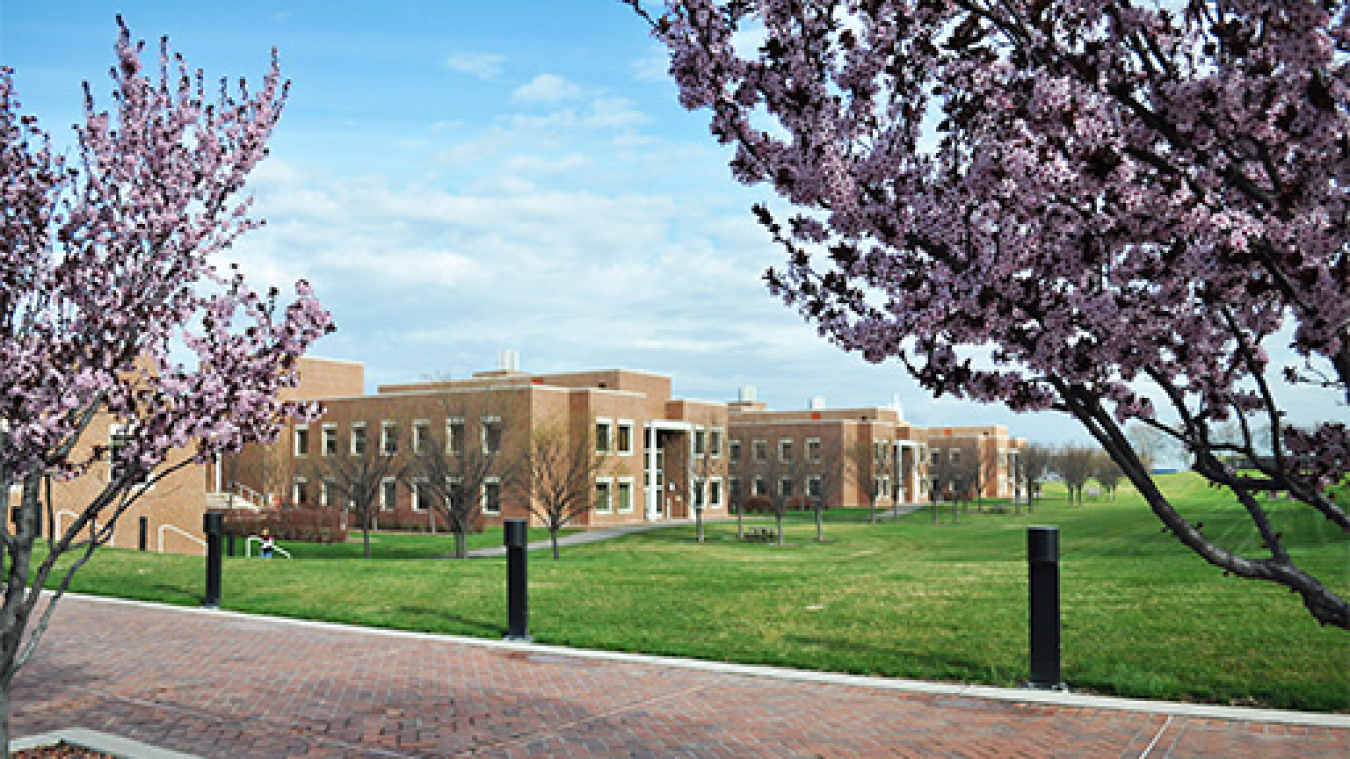
The mission of the William R. Wiley Environmental Molecular Sciences Laboratory (EMSLExternal link), a DOE Scientific User Facility located at the Pacific Northwest National Laboratory (PNNL)External link in Richland, Washington, is to provide integrated experimental and computational resources for discovery and technological innovation in the environmental molecular sciences to support the needs of DOE and the nation.

The mission, vision and strategic goals for EMSL are outlined in the EMSL Strategic PlanExternal link.

Program Description

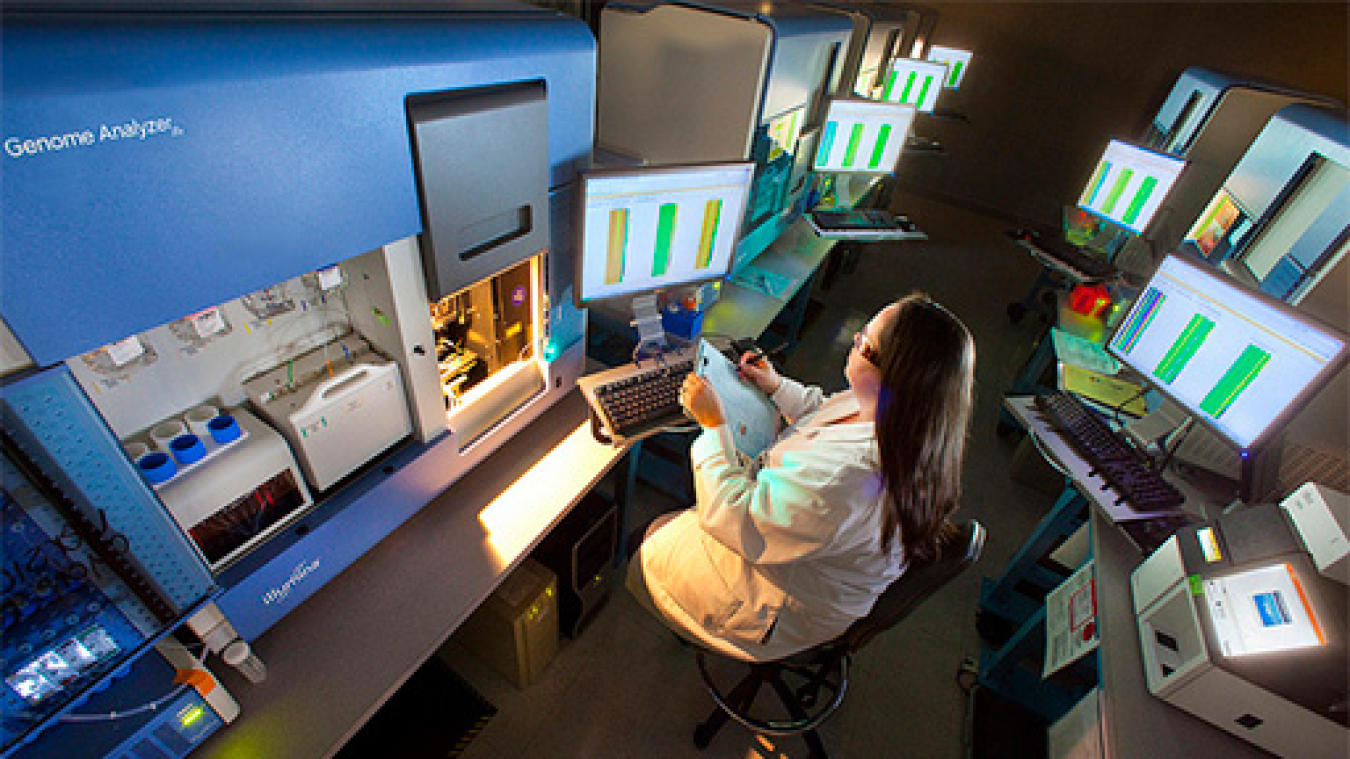
EMSL provides a broad spectrum of more than 75 premier instruments for experimental studies; an High Performance Computing (HPC) capability optimized for molecular-level modeling and simulation, the open source NWChem computational chemistry code, and associated data storage systems; collaborative software tools; and in-house scientific expertise that collectively enable users to iterate between theory and experiment to investigate and simulate atomic- and molecular-level biological, chemical and physical interactions. By co-locating multiple types of capabilities and scientific expertise in a single facility, EMSL serves as an ideal place for research teamsExternal link to use multiple capabilities to investigate complex scientific challenges, or for individual investigators from senior researchers through early career scientists and graduate students, to use premier capabilities to conduct a wide range of single-investigator studiesExternal link. All of the EMSL capabilities are made available to scientists from academia, national laboratories, other federal agencies, and industry.

The EMSL User Program supports both open and proprietary research. Open research is ordinarily published and shared broadly within the scientific community while proprietary users intend to withhold all or part of the information or results from the public. A limited amount of proprietary research may be conducted in the EMSL under a proprietary user agreement.

Solicitations

Potential users may submit a general proposalExternal link for any of the EMSL User Program capabilities through the EMSL user portalExternal link. In addition to accepting general proposals, EMSL issues an annual call for Science Theme proposalsExternal link and periodic calls for other types of proposalsExternal link, including calls for research campaigns and scientific partnerships. All proposals are peer reviewed.

- Science Theme proposals are responsive to one or more of the three EMSL science themes:Biological Interactions and DynamicsExternal link,Geochemistry/Biogeochemistry and Subsurface ScienceExternal link, and Science of Interfacial PhenomenaExternal link. The EMSL science themes are aligned with broad program areas within the DOE Office of Science, build upon EMSL's historical scientific expertise, and allow EMSL to match user research with in-house expertise.

- Research campaigns are solicited in specific areas and not only combine experimental and computational research efforts but also multiple methods and approaches. These proposals are most often larger in size than most Science Theme user projects and involve partnerships between external users and EMSL staff to combine measurements, computation and/or data in ways not previously possible.

- Partner proposals can be submitted by individuals or groups who wish to partner scientifically with EMSL staff to enhance an existing capability, or to develop and build unique new capabilities that enhance EMSL's user program.

In addition to these proposal types, users may need access to EMSL capabilities for rapid turnaround of data to meet a specific deadline or for a proof-of-principle experiment. Such Rapid Access proposalsExternal link can be submitted at any time, undergo expedited management and peer review, and are valid for 30 days.

Why the Program's Research is Important

The DOE Strategic Plan calls for transformative science and technology to enable the DOE to address its mission to focus on the energy, environmental and nuclear challenges facing the United States. Scientific breakthroughs leading to new sources of energy such as biofuels and hydrogen, improved catalysts and materials for industrial applications, insights into molecular reactions that influence climate science, carbon and nutrient cycling, and carbon sequestration processes, and new approaches to managing legacy wastes such as radionuclide and heavy metal contamination, cannot be fully realized without detailed knowledge of the physical, chemical and biological interactions occurring at the most fundamental levels. The complex nature of these interactions requires a broad range of leading-edge instruments for experimental studies and HPC capabilities for modeling and simulation to enable multi-disciplinary research on these challenges.

The EMSL User Program not only makes these leading-edge experimental and computational capabilities available to users in one location, but also ensures that allocations of time on individual capabilities are coordinated to enable users to fully address their project objectives using as many of the capabilities as requested.

Data Sharing Policy

Allocations of time on EMSL's capabilities are contingent on adherence to EMSL's terms and conditionsExternal link as well as BER's data sharing policy.

Capabilities

With more than 75 major experimental instruments, HPC systems and data storage, EMSL's capabilities are organized into eight groups: 1) Cell Isolation and Systems AnalysisExternal link, 2) Deposition and MicrofabricationExternal link, 3) Mass SpectrometryExternal link, 4) Microscopy,External link and 5) Molecular Science ComputingExternal link. 6) NMR and EPRExternal link, 7) Spectroscopy and DiffractionExternal link, and 8) Subsurface Flow and TransportExternal link. While users can submit proposals to use one capability within a single group, most EMSL users submit proposals that make use of multiple capabilities that cut across multiple capability groups.

For studying microbial and plant species important for bioenergy, biofuels, and other energy alternatives, EMSL's nuclear magnetic resonance (NMR) spectrometers; high resolution mass spectrometers; ultra-high vacuum scanning, tunneling, cryogenic and atomic force microscopy capabilities; and the 160 TeraFlop HPC system are important tools. EMSL capabilities in spectroscopy and diffraction, reaction kinetics, deposition and microfabrication, and HPC and computational chemistry are important tools used in understanding fundamental chemical reactions that can lead to new and improved catalysts, new nanomaterials and nanostructures, corrosion resistant surface coatings, new and improved chemical sensors, and spintronics applications for next generation technology. To address a spectrum of molecular-level science issues associated with the fate and transport of radionuclides and heavy metals in the subsurface, long-term nuclear waste storage, carbon and nutrient cycling, carbon sequestration, atmospheric aerosol chemistry, green chemistry strategies, and solvent development and catalysis research, researchers are using EMSL's NMR spectrometers, microscopy and imaging tools, multi-scale surface and interfacial science synthesis and characterization tools, deposition and microfabrication tools, and the HPC system and NWChem.

In late 2011, EMSL opened the Quiet WingExternal link, a unique research environment that houses an integrated suite of ultrasensitive microscopy instruments. The Quiet Wing protects against acoustic noise, floor vibrations, air flow, temperature fluctuation and electromagnetic interference, and enables users to apply these instruments for studying fundamental, atomic-level reactions relevant to catalysis, energy storage, subsurface science and microbial and plant biology. In late 2012, EMSL plans to fully open the Radiochemistry AnnexExternal link. The Annex will include laboratory space that is designed for studying contaminated environmental materials and examining radionuclides and chemical signatures, and will feature NMR capabilities as well as several types of surface science analysis capabilities,

Performance

BER is committed to managing the operations of EMSL to the highest standards of overall performance using merit evaluation with independent peer review. The expectation is that EMSL will achieve an average operation time of greater than or equal to 98% of the total scheduled annual operating time. The EMSL Operating HoursExternal link are tracked quarterly.

More Information about the Program and Its Accomplishments

The EMSL User Program seeks to attract new, highly qualified users and honor their major contributions through a variety of Fellowships and AwardsExternal link, including extended user visits and the ability to play a role in shaping EMSL's future directions. For example, the Wiley Visiting Scientist ProgramExternal link is designed to enable distinguished scientists to spend extended periods of time at EMSL focusing on their research and helping to plan or develop EMSL capabilities. The William Wiley Post Doctoral FellowshipExternal link gives highly qualified PhD scientists the opportunity to conduct creative original research using EMSL capabilities. The Wiley Research Fellow ProgramExternal link recognizes scientists who make significant contributions to EMSL and offers them a role that allows them to help determine EMSL's future directions. Outstanding achievements by an EMSL postdoctoral fellow are honored annually with the MT Thomas AwardExternal link.

Research highlights, facility information and user activities are described in a variety of EMSL publications:

Science Highlights, General News and Feature StoriesExternal link

EMSL Newsletter (The Molecular BondExternal link )

Workshop Reports, Journal Covers and Research PublicationsExternal link

EMSL also uses a variety of alternative mediaExternal link to showcase the science, people, and capabilities that form a truly unique problem-solving environment. These multimedia resources include videos and animations, images, print products and social networking capabilities including FacebookExternal link, YouTubeExternal link, Flickr,External link and LinkedInExternal link .

Last modified: 4/3/2012 12:32:09 PM